
Over the years, I’ve used all kinds of electric shavers — from budget models to high-end ones. One thing I’ve learned is that even the best shaver doesn’t last forever. The blades dull, the battery weakens, and sooner or later, you start noticing the shave isn’t as smooth as it used to be. According to grooming experts and brands like ShaveNest, replacing your electric shaver at the right time not only gives better results but also keeps your skin healthy and irritation-free.
In this guide, I’ll share what I’ve learned through personal use, how long shavers typically last, and when it’s time to say goodbye to your old one. I’ll also include practical advice, expert tips, and what has worked best for me after years of grooming experience.
Why Do Electric Shavers Need Replacement?
Even the most premium electric shaver has a lifespan. With time, every component—blades, foils, and battery—undergoes wear and tear. Let’s look at why replacement becomes necessary.
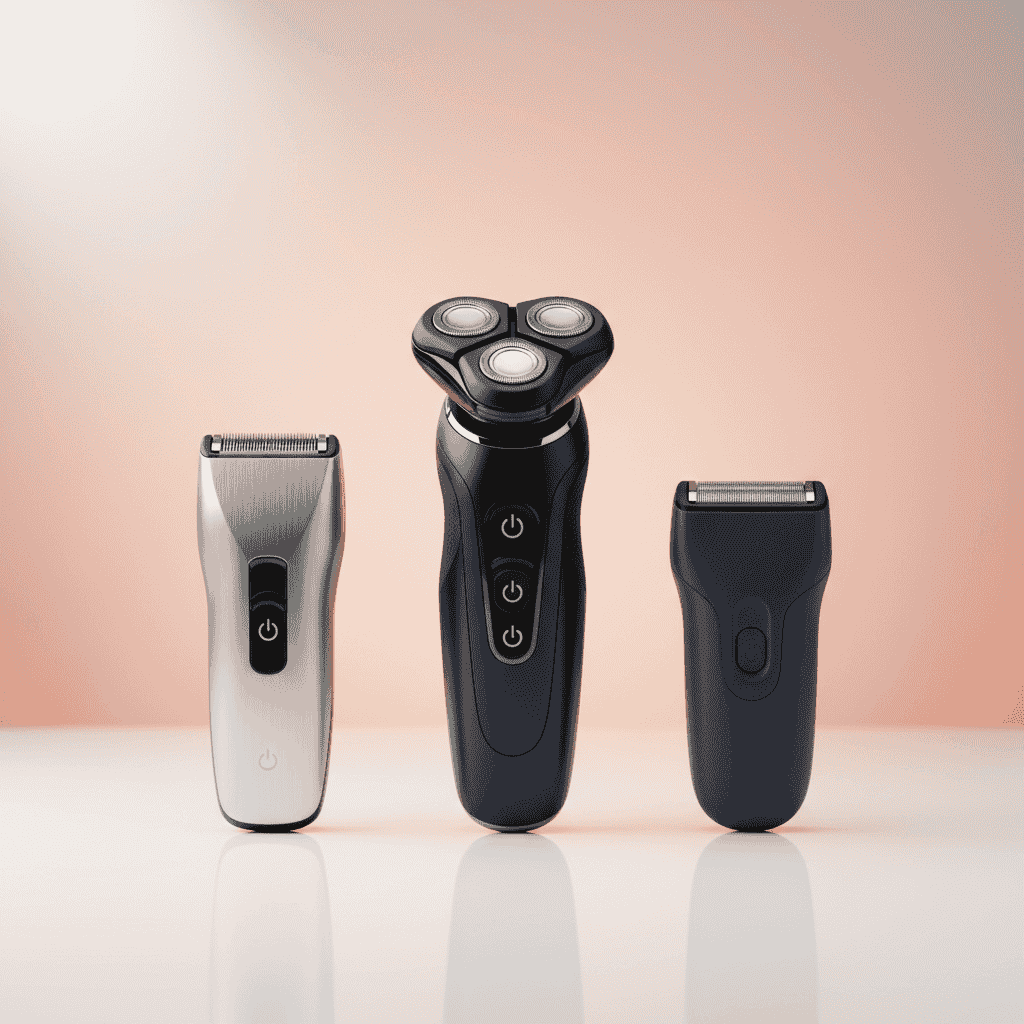
Blade, Foil, and Cutter Wear
From my experience, the blades and foils start losing their sharpness after 12 to 18 months of regular use. When that happens, the shaver begins tugging instead of cutting cleanly. I remember once ignoring this for a few weeks, and I ended up with red patches on my neck — lesson learned the hard way.
Manufacturers like Braun and Philips also recommend replacing foils and cutters once a year for hygiene and performance. If you notice uneven trimming or mild pulling, it’s a sign your shaver head has worn out.
At ShaveNest, we always say: sharp blades mean smoother mornings.
Battery and Motor Life
After about two years of daily use, most shavers show reduced battery capacity. I’ve seen this happen with almost every model I’ve owned. The motor might also start running slower, which directly affects shave efficiency.
Rechargeable lithium-ion batteries degrade over time, especially if overcharged or not maintained properly. Once, my favorite shaver would last a full week on one charge, but by the end of its second year, it barely made it through two sessions. That’s when I realized battery health directly affects shaving performance.
Hygiene Concerns
Even with regular cleaning, bacteria and dead skin can accumulate inside your shaver over time. This build-up can lead to skin irritation and acne. I once ignored this issue, thinking cleaning was enough, but after replacing my shaver head, I realized how much fresher my skin felt.
Replacing your shaver parts regularly helps maintain hygiene and keeps your grooming routine safe and clean.
Entire Shaver Unit
Sometimes, it’s not just the blades or battery—the entire unit starts to wear out. When buttons get loose, the casing cracks, or the charger connection becomes unreliable, it’s smarter to replace the full shaver instead of fixing individual parts. Especially if repair costs approach half the price of a new model.
I once tried to repair an old shaver by changing its motor, but it never felt the same again. That’s when I decided — if the main body feels unstable, it’s better to start fresh.
How I Knew It Was Time to Replace My Shaver
The first time I realized I needed a replacement wasn’t because the shaver broke — it was because of how my skin felt. The shaves started feeling rougher, I had to go over the same area multiple times, and my skin became more sensitive afterward.
When I finally replaced it with a new one, the difference was night and day. The new shaver glided smoothly, and even my post-shave lotion absorbed better. From that day, I began tracking performance instead of waiting for a total breakdown.
If your shaver doesn’t feel effortless anymore, that’s your sign. Your skin will tell you before the manual does.
Factors Affecting Frequency of Replacement
Frequency of Use
If you shave daily, your blades and battery will naturally wear out faster compared to someone who trims once or twice a week. Based on my experience, daily users might need replacements every 12 months, while occasional users can stretch it to 18–24 months.
Hair Type
Thicker, coarse facial hair wears down blades faster. I have moderately thick hair, and I’ve noticed that my shaver’s foil dulls quicker compared to a friend with finer stubble. If you have coarse hair, schedule replacements more often.
Skin Sensitivity
Sensitive skin reacts quickly to dull blades. If you start feeling increased irritation, redness, or post-shave discomfort, it may not be your skin—it’s likely your dull shaver. Keeping your shaver sharp protects your skin health and comfort.
Cleaning and Maintenance Habits
This is one area most people overlook. I’ve seen shavers last twice as long just because their owners cleaned them properly after every use. Rinsing, drying, and oiling the blades regularly makes a huge difference.
At ShaveNest, we recommend deep cleaning your shaver once a week and doing quick cleaning after each shave.
Does Price Affect How Long a Shaver Lasts?
Absolutely. From what I’ve seen, cheaper shavers often use lower-quality foils and weaker motors that wear out faster. I once bought a mid-range trimmer just to test it — within eight months, it was pulling hair and losing charge halfway through a shave.
High-end models like Braun Series 9 or Panasonic Arc5 might cost more upfront but usually last longer, sometimes up to five years with proper care. Think of it like investing in a car: maintenance matters, but build quality plays a big role too.
Still, even the best shaver can’t escape wear and tear — regular maintenance and timely part replacements are what truly extend its life.
Maintenance & Lifespan Tips for Electric Shavers
Regular Cleaning
After every shave, remove the head and rinse it under warm water. Use a small cleaning brush to remove trapped hairs.
If your shaver is waterproof, use a drop of liquid soap for deeper cleaning. I learned this trick a few years back—keeping it spotless keeps performance high.
Lubricating the Blades
This is one step many users skip. A drop of light machine oil or specialized shaver oil reduces friction and noise, extending blade life. I oil mine every 3–4 uses, and the difference in smoothness is remarkable.
Proper Charging Practices
Avoid overcharging your shaver. Once it’s full, unplug it. Constantly keeping it plugged in shortens battery life.
I use a small reminder: charge only when the battery indicator blinks low and stop once full. Also, avoid using your shaver while it’s charging unless the brand specifically allows it.
Storage and Handling
Always store your shaver in a dry, cool place. Moisture and heat can damage internal electronics.
During travel, I pack mine in a padded grooming case—it protects from accidental drops and keeps accessories organized.
My Routine for Keeping a Shaver in Top Condition
Here’s what’s worked best for me:
- Daily: Quick rinse and brush clean.
- Weekly: Deep clean with soap and oiling.
- Monthly: Check foil condition and tighten any loose parts.
- Every 12 months: Replace blades or foil if needed.
It’s a simple system, but it’s saved me from unnecessary replacements. One of my shavers lasted nearly four years this way — and yes, it still gave a close shave before retirement.
Signs It’s Time to Replace Your Electric Shaver
Here’s what I’ve personally noticed when my shaver is nearing its end:
- The shave feels rougher or inconsistent.
- It starts pulling or tugging hair instead of cutting smoothly.
- You need multiple passes for a clean shave.
- The battery drains faster even after full charge.
- It becomes noisier or overheats during use.
- You see rust, cracks, or visible wear on the foil.
If two or more of these signs appear, it’s time to replace your shaver or at least its head assembly.
Expert Insights: What Barbers and Grooming Specialists Say
I’ve spoken with two barbers I regularly visit, and both agree: the average shaver’s effectiveness drops around the one-year mark if used daily. One of them said, “A dull shaver isn’t just ineffective — it’s unsafe.”
Barbers recommend replacing foils every year, blades every 12–18 months, and full units every 3–4 years depending on brand quality.
Experts also emphasize keeping a small brush handy and never storing your shaver wet, as trapped moisture shortens the lifespan of both blades and circuits.
At ShaveNest, we echo that advice: respect your tools, and they’ll reward you with smooth, clean shaves every time.
Maintenance & Lifespan Insights from Personal Experience
When I started tracking my grooming habits, I realized my shaver’s average lifespan was about two years with regular care. Once I began cleaning and oiling more consistently, it stretched close to three.
This shows that maintenance directly influences lifespan.
At ShaveNest, we’ve seen users report up to 30% longer life from their shavers when they follow a proper care routine. So, treat your shaver like an investment—it pays off in performance and comfort.
FAQs
1. How often should you replace your electric shaver?
Most experts recommend every 2–3 years, depending on use and care. Replace the blades or foil every 12–18 months for optimal performance.
2. How do I know if my shaver blades are dull?
You’ll feel more tugging, uneven cutting, or irritation. These are clear signs your blades need replacing.
3. Can I replace just the foil instead of the whole shaver?
Yes, if the rest of your shaver is in good shape. Replacing the foil and cutter is usually enough.
4. Does cleaning really make a difference?
Absolutely. Regular cleaning removes residue and extends both blade sharpness and motor health.
5. What’s the average battery life of an electric shaver?
Usually around 2–5 years depending on the model and charging habits.
6. Does climate affect shaver performance?
Yes. High humidity or excessive heat can cause corrosion and shorten the lifespan of your blades and motor. Always store it in a dry place.
Final Thoughts
Your electric shaver isn’t just a tool—it’s part of your daily confidence routine. Knowing when and how to replace it helps you maintain that clean, professional look without discomfort.
If you’re unsure about your current shaver’s condition, check the blades, listen to the motor, and trust your skin—it tells you more than any manual can.
And remember, a little attention goes a long way. Clean it, store it well, and replace parts on time for that consistently close, comfortable shave.
At ShaveNest, we believe that a great shave starts with great care—and knowing when it’s time for a refresh.