
Keeping your hair clippers sharp isn’t just about better results — it’s about saving time, money, and frustration. I’ve personally used clippers for years, from quick home trims to testing different professional tools for ShaveNest. One thing I’ve learned: dull blades can completely ruin your trimming experience. They pull, snag, and even irritate the skin. But here’s the good news — you don’t always need to replace your blades.
In this guide, I’ll share tested and proven methods on how to sharpen hair clipper blades at home using tools you probably already have. These are the same techniques our team at ShaveNest uses to keep every trim smooth and precise.
(Also great for anyone who loves DIY clipper sharpening at home.)
8 Best Ways to Sharpen Hair Clippers Blades at Home (Tested & Proven)
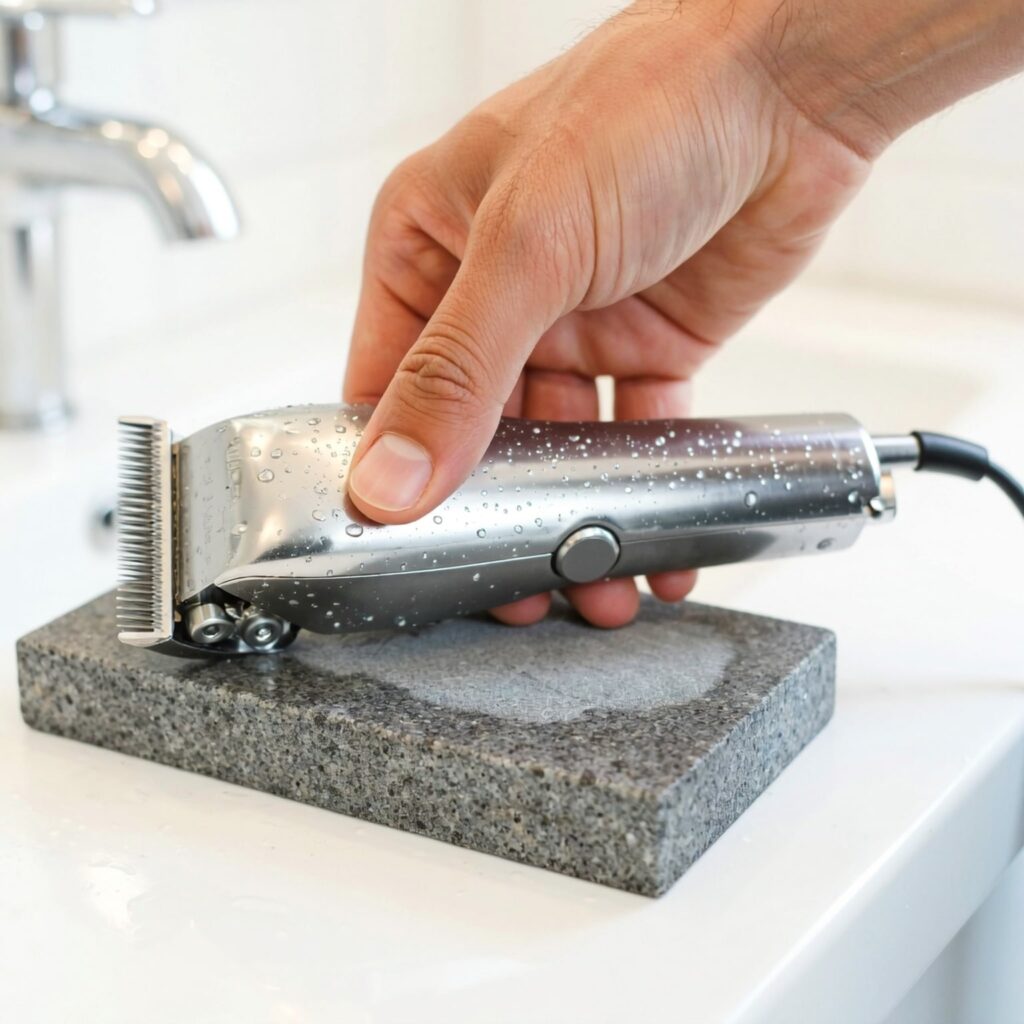
1. Use a Sharpening Stone (Our Go-To Method)
Best for: Standard metal clipper blades
This is the most reliable method we recommend at ShaveNest.
Steps:
- Remove the blades using a small screwdriver.
- Rinse under warm water to remove hair and oil.
- Place the blade flat on a 4000–8000 grit sharpening stone.
- Move it in small circular or figure-eight motions 10–15 times.
- Flip and repeat on the other side.
- Wipe, dry, and apply clipper oil before reassembly.
✅ Pro Tip: Maintain a 30–45° angle — consistency keeps the blade evenly sharp.
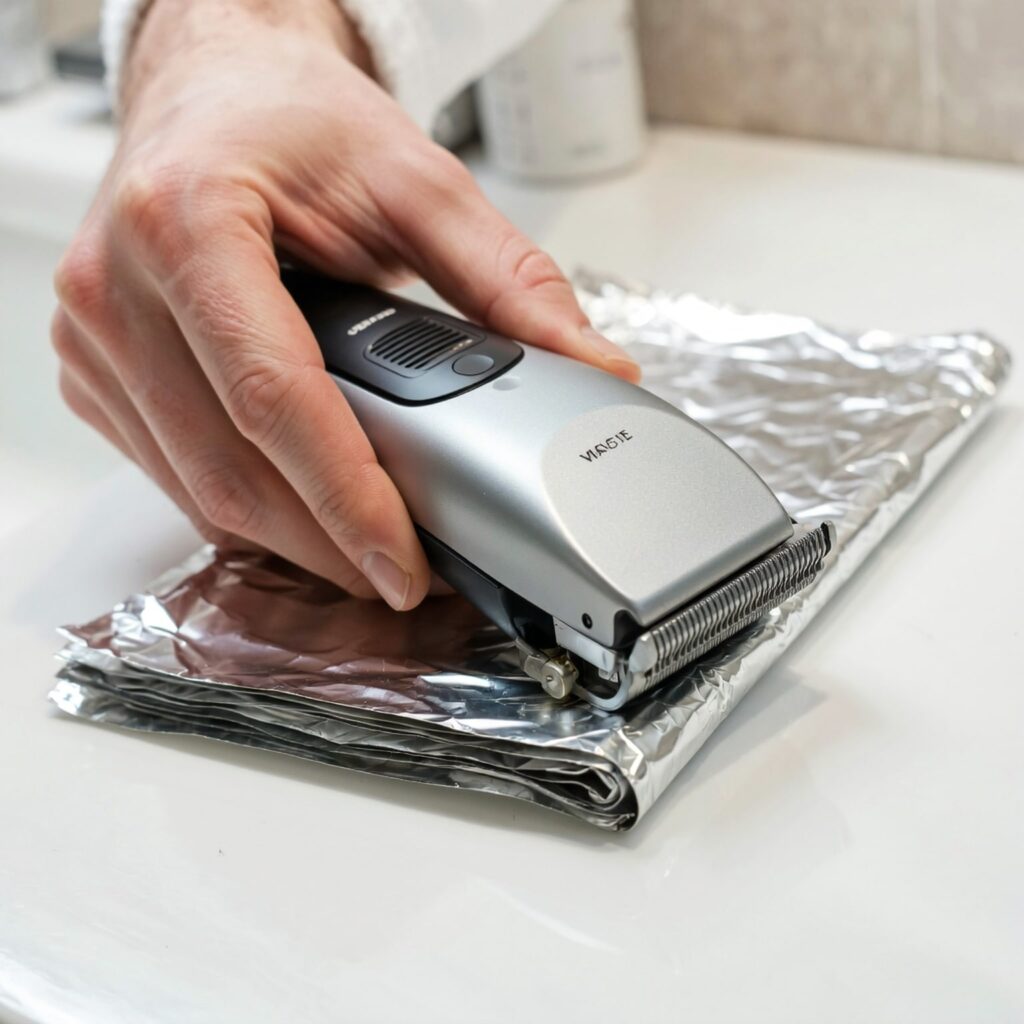
2. Aluminum Foil Method
Best for: Quick edge refresh
Fold a piece of aluminum foil into 5–6 layers and run the clipper across it 10–15 times.
It won’t replace deep sharpening, but it’s ideal for quick touch-ups.
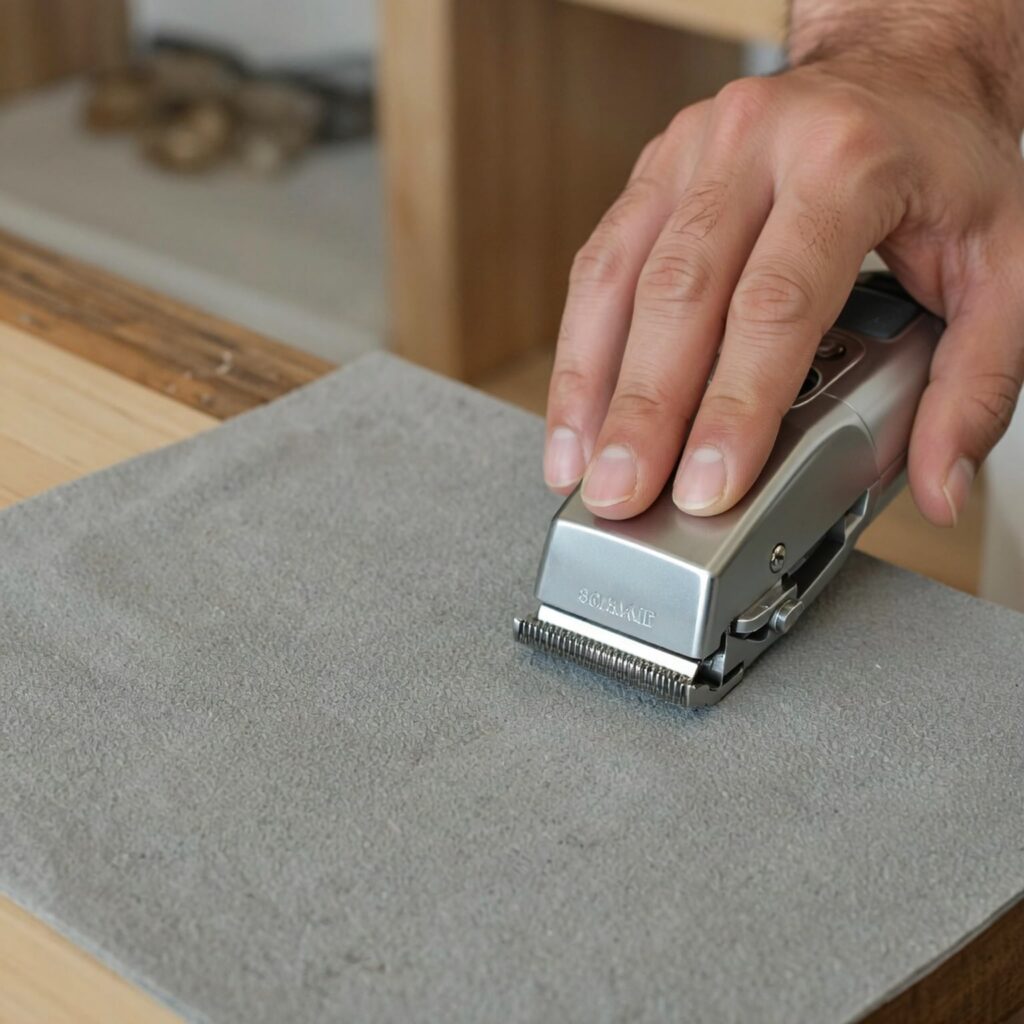
3. Sandpaper Method
Best for: Mildly dull blades
Use a 600–1000 grit sandpaper and rub the blade gently in one direction.
This is a great on-the-go trick when a sharpening stone isn’t available.
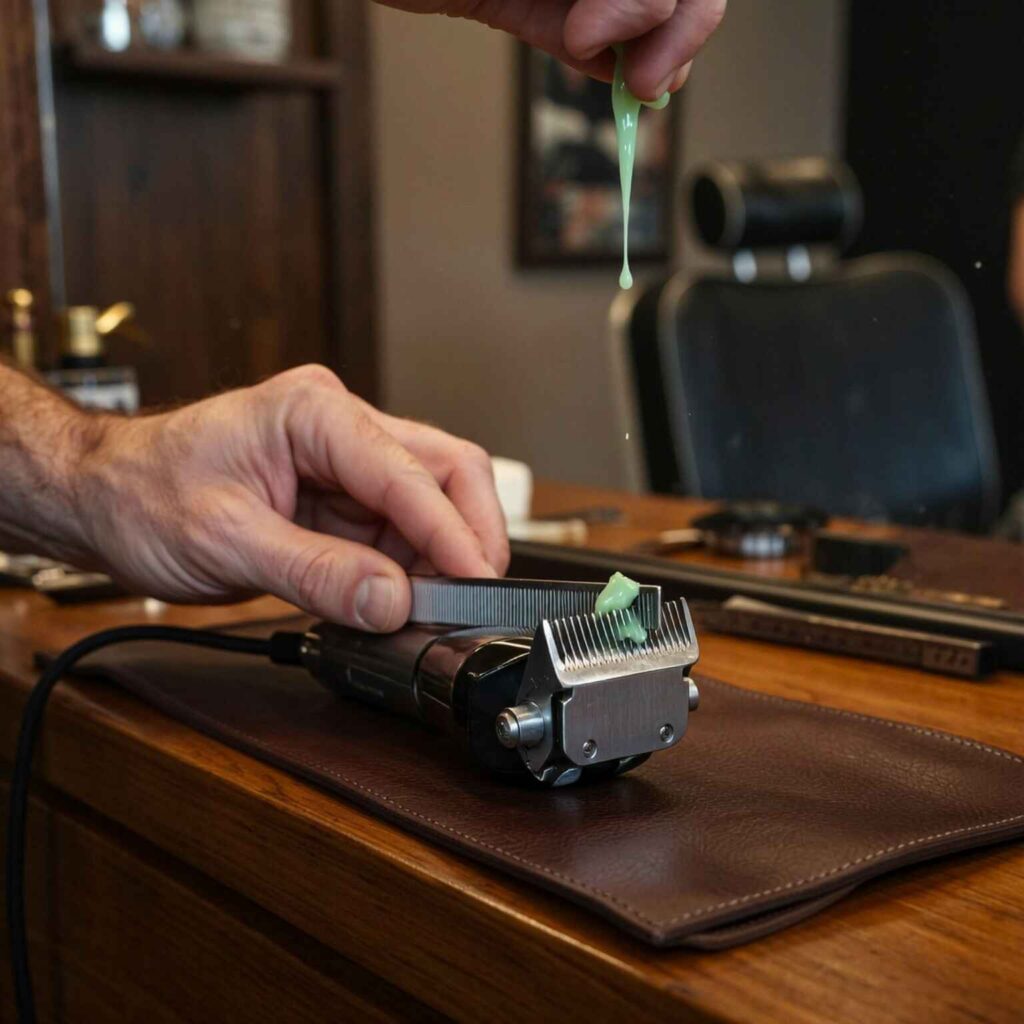
4. Using a Honing Compound
Best for: Polishing the edge
Apply a few drops of honing compound on a leather strop or thick cloth.
Rub the blades over it slowly to remove micro-imperfections and add a mirror-like finish.
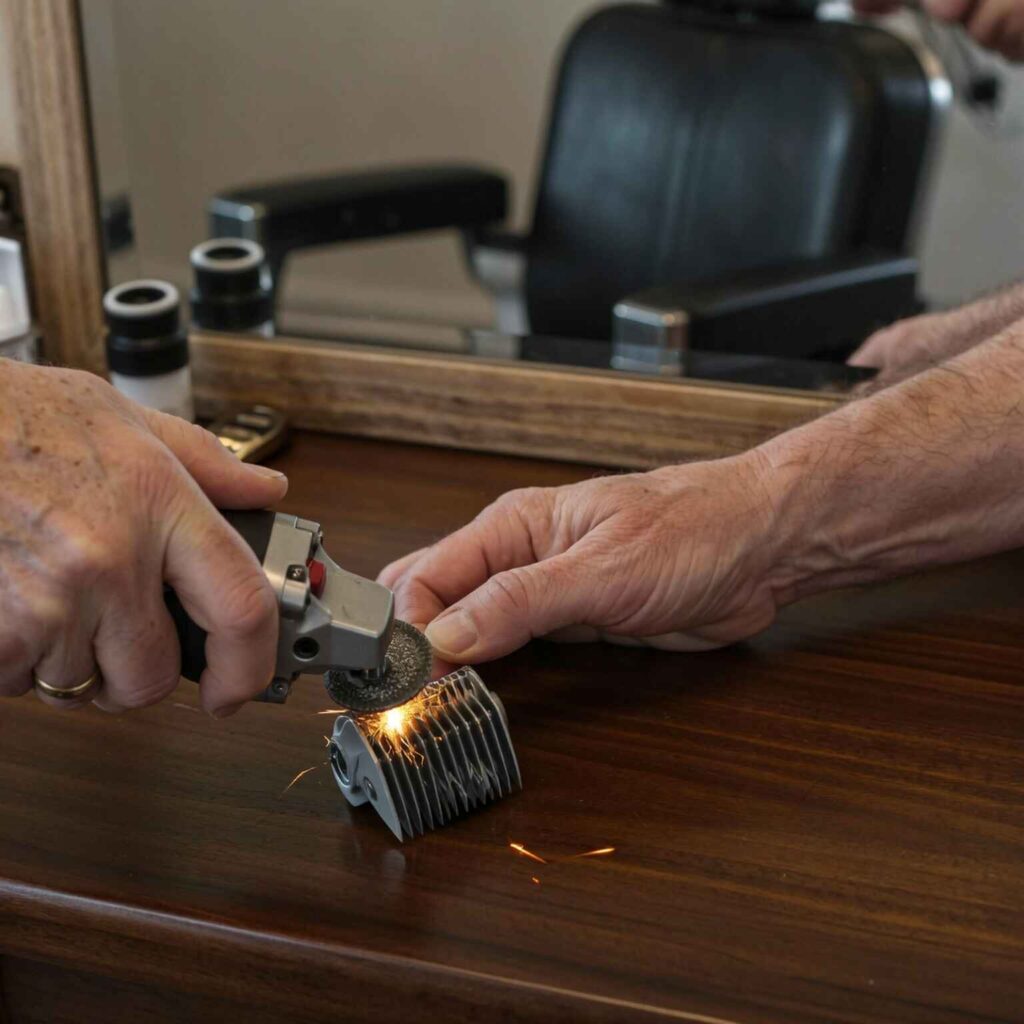
5. Dremel Tool (For Experienced Users)
A Dremel rotary tool with a fine sharpening wheel can restore heavily dulled blades.
Run it gently along the edge for 5–10 seconds.
⚠️ Caution: Don’t overheat the metal — it can reduce blade hardness.
✅ ShaveNest Tip: Use this method only if you’re comfortable handling tools.
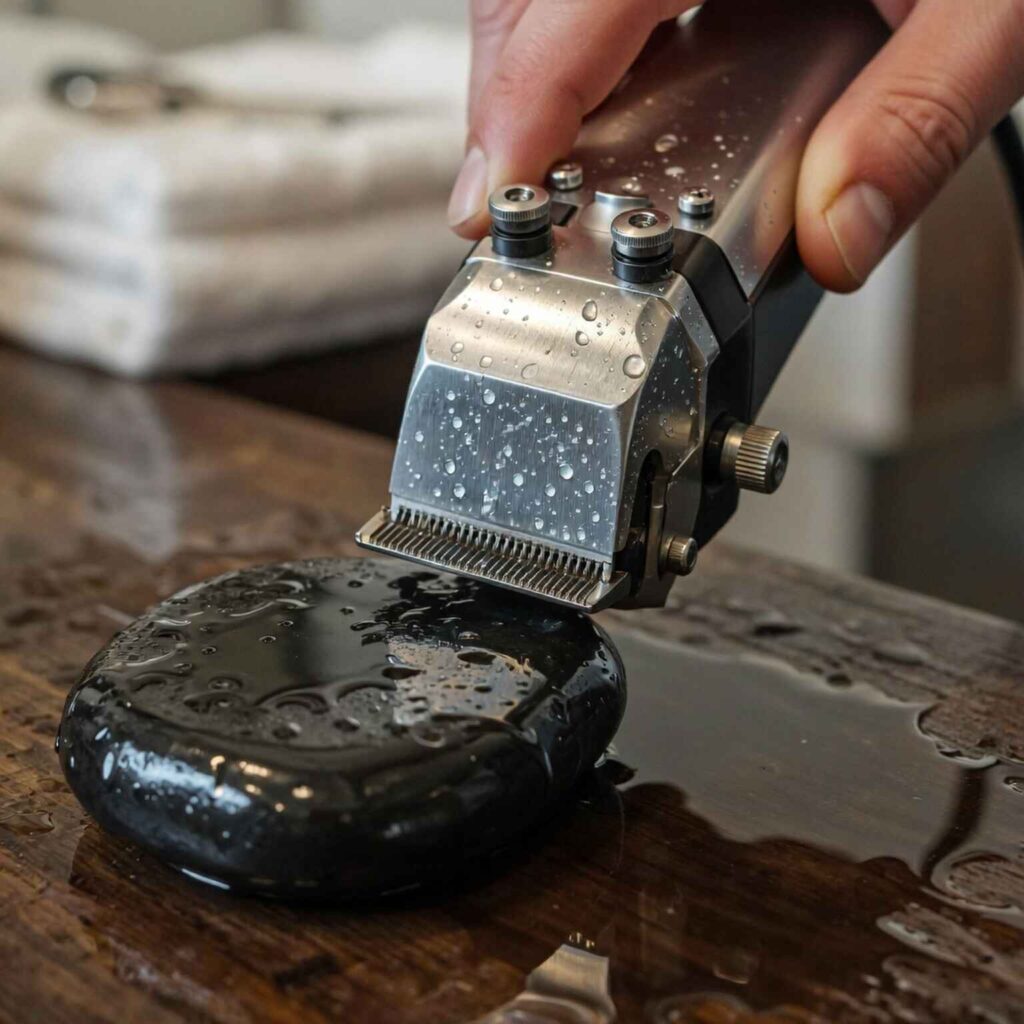
6. Waterstone Sharpening
A Japanese-style waterstone gives a fine professional edge.
Soak it for 10 minutes before use and sharpen the blades with slow, steady strokes.
This method removes less metal, extending blade life.
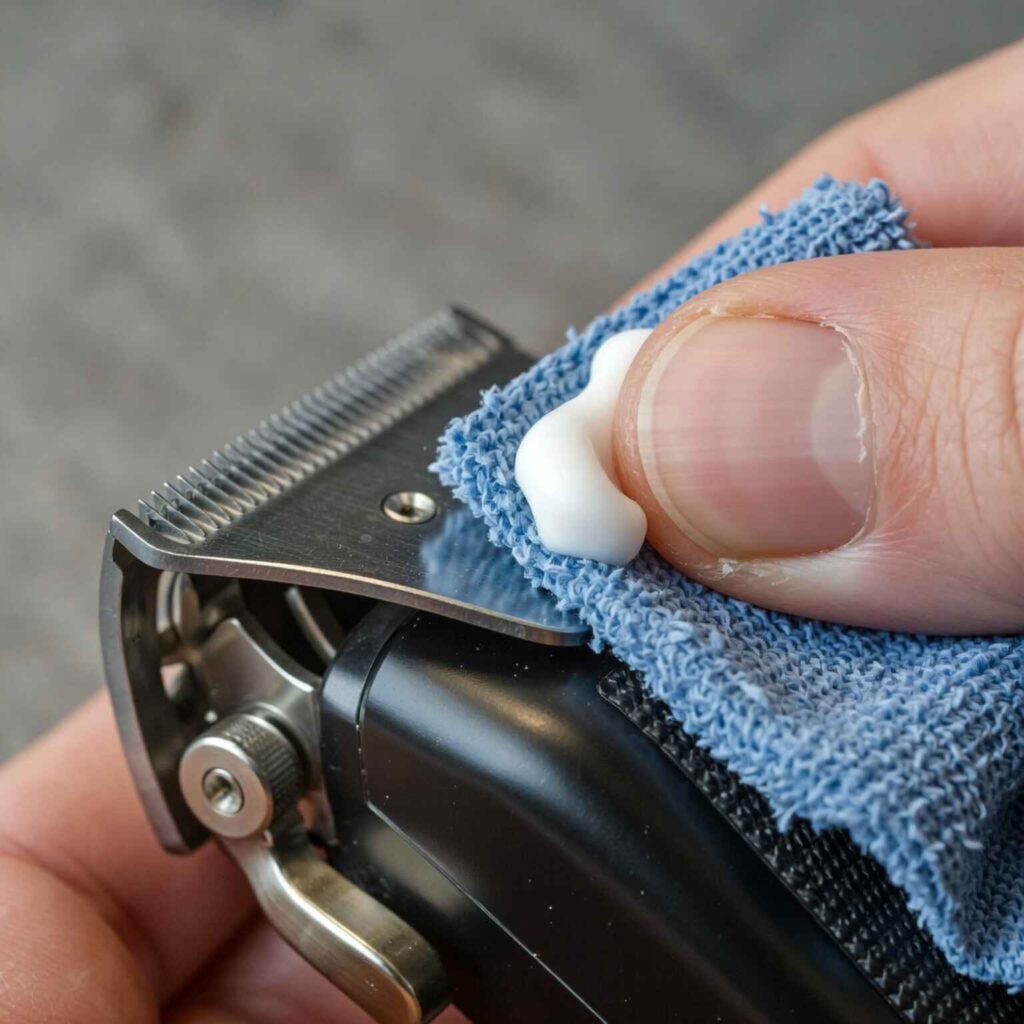
7. Toothpaste Polishing Trick
Apply a small amount of toothpaste to the blade and rub gently with a soft cloth.
Rinse thoroughly, dry, and oil. It works as a light abrasive polish for smoother cutting.
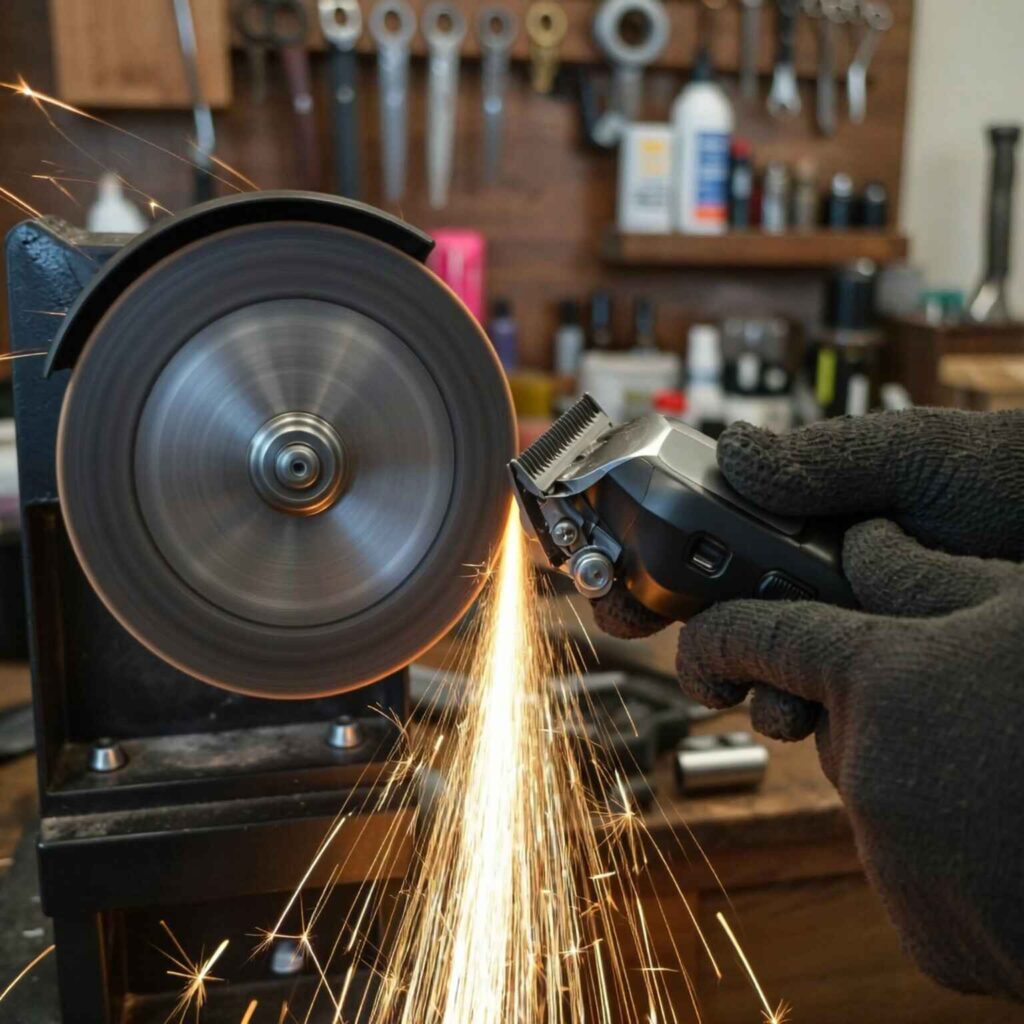
8. Professional Sharpening Service
When blades are chipped or extremely dull, sending them to a professional sharpening service is the smartest move.
It’s affordable and ensures perfect alignment and sharpness.
Personal Experience (From the ShaveNest Team)
From our testing and daily use, sharpening stones and honing compounds give the most balanced results.
We’ve tested multiple methods — the stone remains the most durable and consistent option.
✅ Sharp blades mean smoother trims, cleaner lines, and a longer-lasting clipper.
Bonus: Blade Maintenance Tips (From Our Routine)
Even perfectly sharpened blades dull quickly without proper care.
Here’s the ShaveNest maintenance checklist:
- Clean blades after every use with a brush or spray cleaner.
- Apply clipper oil before and after trimming.
- Store in a dry, dust-free space.
- Regularly disinfect to prevent rust or bacterial buildup.
FAQs
Here are some common questions about sharpening hair clipper blades at home (DIY clipper sharpening):
Q1: How often should I sharpen my hair clippers?
👉 For personal use, every 2–3 months is ideal. Barbers who use clippers daily may need monthly sharpening.
Q2: Can I sharpen clipper blades without removing them?
👉 You can do quick refreshes (foil or toothpaste method), but full sharpening requires blade removal.
Q3: What grit stone is best for clipper blades?
👉 A fine grit stone (4000–8000) provides the perfect balance of sharpness and precision.
Q4: Should I oil my blades after sharpening?
👉 Yes — oiling prevents rust, reduces friction, and keeps blades gliding smoothly.
Q5: How do I know when it’s time to sharpen?
👉 If your clipper pulls hair, makes louder noise, or feels rough on the scalp, it’s time to sharpen.
Conclusion
Sharpening your hair clipper blades keeps them hygienic, efficient, and long-lasting.
Whether you prefer a sharpening stone, sandpaper, or professional service, each method serves its purpose based on blade condition.
From our experience at ShaveNest, regular maintenance and light sharpening every few months offer the best results.
✅ Sharp blades mean smoother trims, cleaner lines, and a longer-lasting clipper.