If you have ever used a clipper that suddenly starts pulling your hair instead of cutting smoothly, you know how uncomfortable it feels. It ruins the whole grooming routine and makes you lose confidence in your tools. At Shave Nest, after years of testing clippers and trimmers, we have seen this problem happen many times.
When a clipper pulls hair, it means something small is wrong — maybe the blades are dull, dirty, or misaligned, or the battery is weak. The good news is that these issues are easy to fix if you know what to look for.
This complete guide from Shave Nest explains why clippers pull hair, how to fix them, and how to prevent it from happening again. It includes common problems, step-by-step solutions, a quick maintenance checklist, and answers to the most asked questions about clipper care.
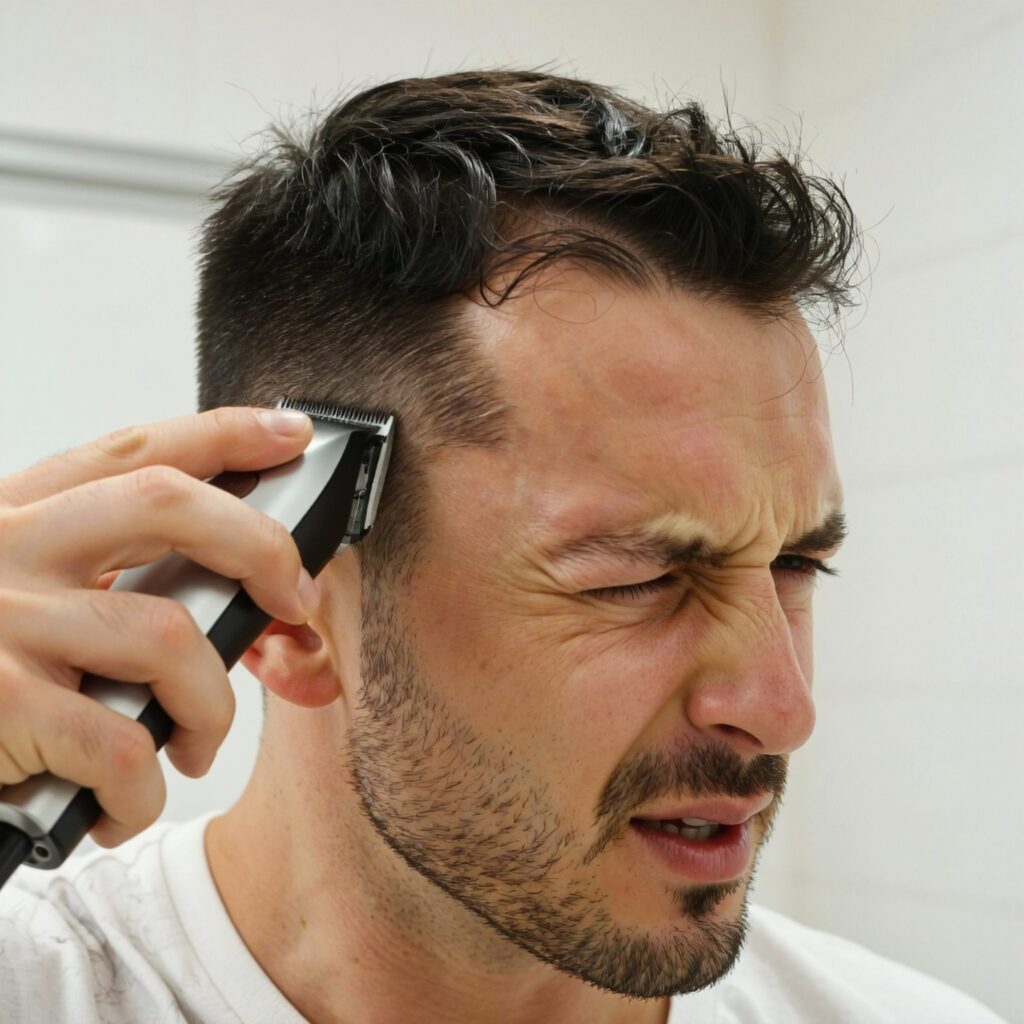
8 Common Reasons Why Clippers Pull Hair
Over time, we at Shave Nest have found that there are several main reasons why a clipper starts pulling hair instead of cutting cleanly. Understanding these reasons can help you keep your clippers running smoothly for years.
1. Dull or Worn-Out Blades
The most common reason for pulling is dull blades. Sharp blades glide through hair easily, while dull blades snag and tear. Even high-quality clippers lose sharpness after months of use.
At Shave Nest, we have seen that replacing or sharpening blades every six to eight months makes a huge difference. If your clipper feels rough or uneven while cutting, it’s time for new blades.
2. Dirty or Clogged Blades
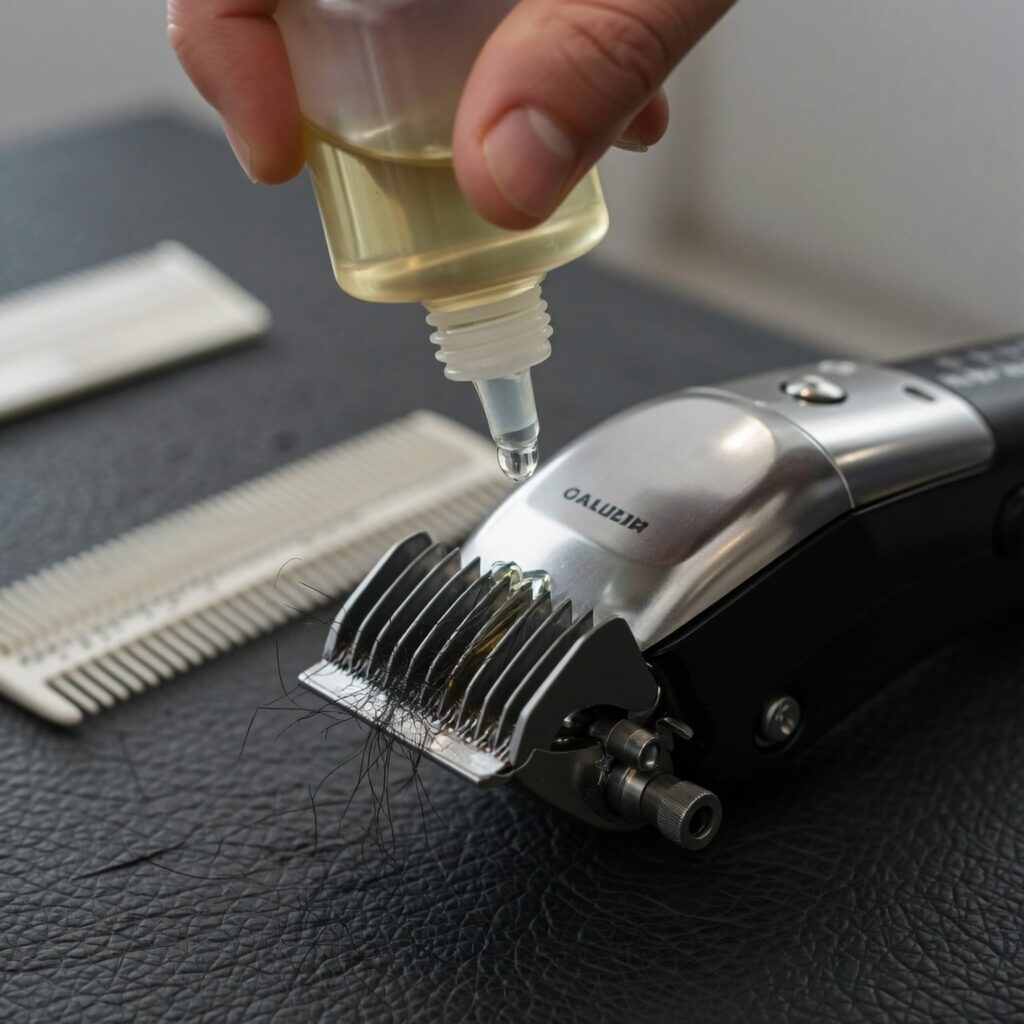
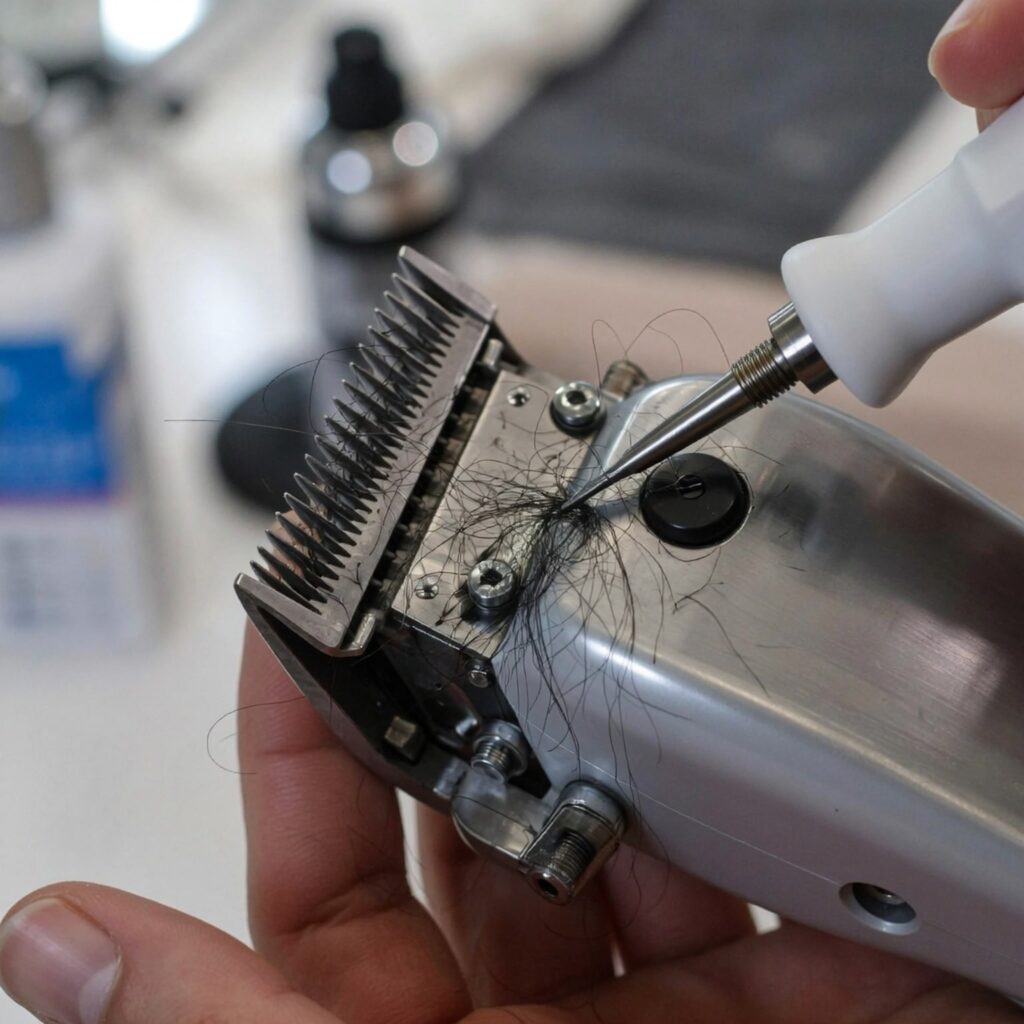
Hair, skin oil, and residue build up inside your clipper over time. This buildup slows down the blades and causes pulling.
When we tested several clippers, cleaning alone improved their performance immediately. Even a small layer of dirt can make the clipper drag instead of cut. Always clean your clipper after each use using the small brush that comes with it or compressed air.
3. Lack of Oil or Lubrication
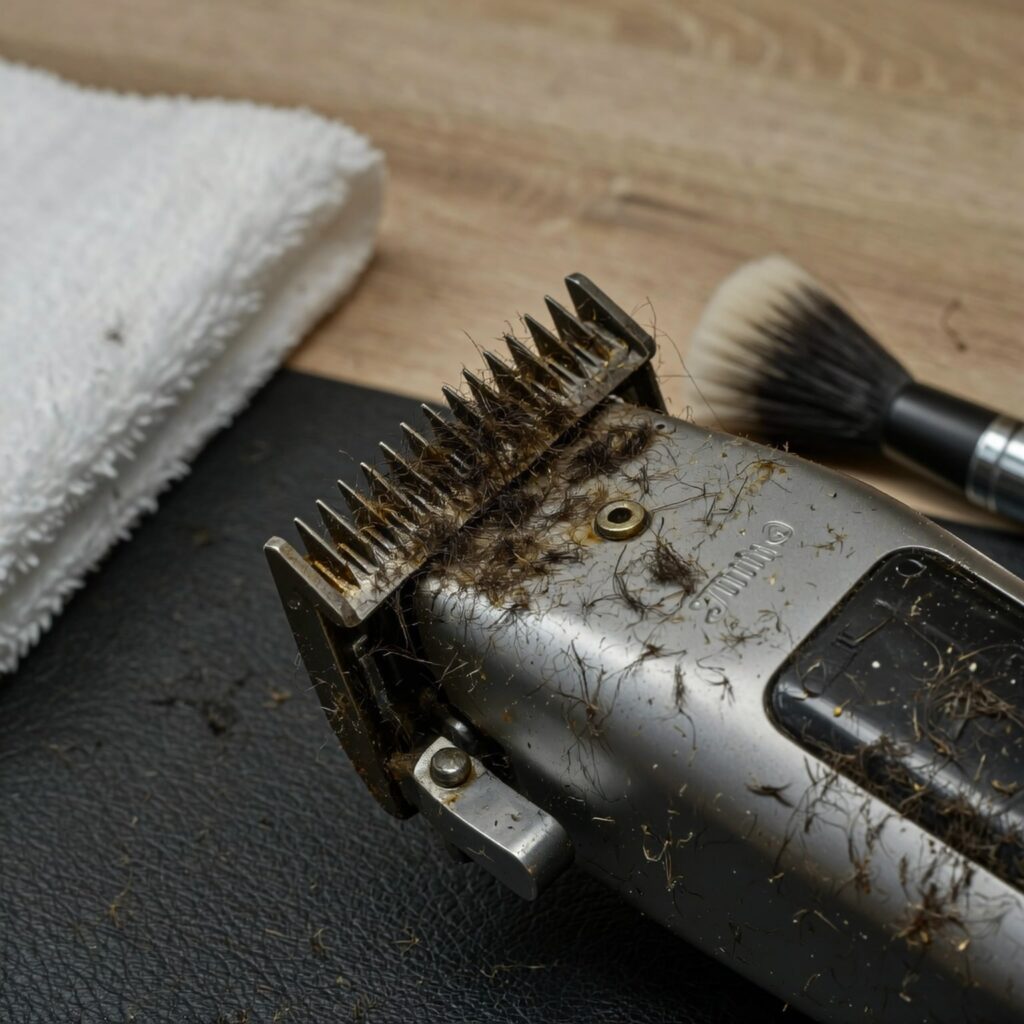
Oil is essential for smooth cutting. Without it, friction increases, the clipper heats up, and hair starts getting caught.
A few drops of clipper oil before or after every few uses can prevent this completely. Turn on the clipper for 10 seconds after oiling to spread the oil evenly. Never use household oils like WD-40 or vegetable oil; they damage the blades over time.
4. Misaligned or Loose Blades
Sometimes, blades are clean and sharp but still pull hair because they are not aligned properly. If the screws loosen or you replace the blade incorrectly, it may sit unevenly.
Hold your clipper sideways and check if the blades line up evenly. The moving blade should sit slightly behind the fixed one. Tighten any loose screws and test the clipper again. Realignment often fixes pulling instantly.
5. Weak Battery or Power Issues
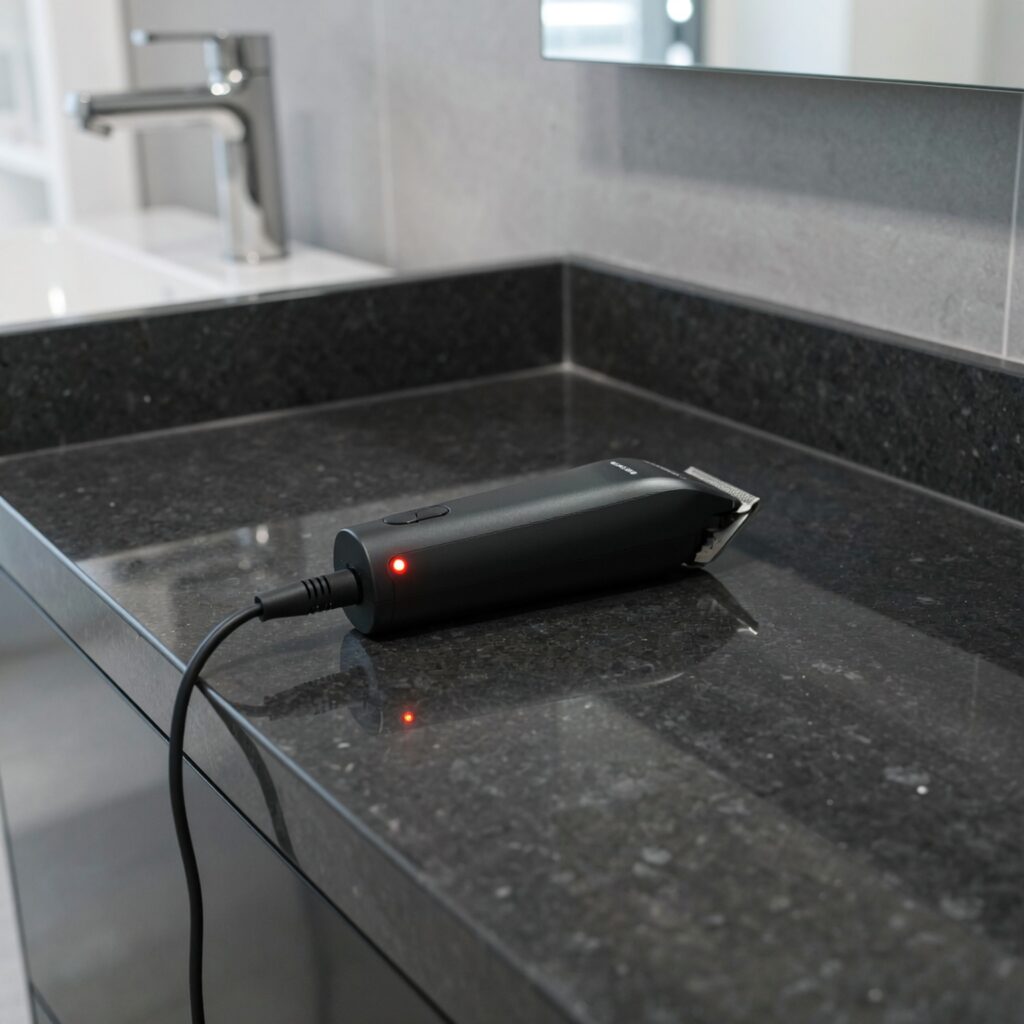
When the motor slows down, the blades do not move fast enough to cut hair cleanly. Cordless clippers often lose power when the battery is weak.
If you feel your clipper slowing down, recharge it fully before trimming. Avoid using it below 20% battery. For corded clippers, check that the cable is not bent or damaged. Good power ensures consistent cutting speed.
6. Poor Cutting Technique
Even with a perfect clipper, poor technique can still cause pulling. Pressing too hard, moving too slowly, or cutting at the wrong angle makes hair jam between the blades.
At Shave Nest, we suggest trimming at a 45-degree angle and moving smoothly against the grain. Let the clipper glide naturally without forcing it. Use short, steady strokes and maintain a consistent pace.
7. Incorrect Technique or Shaving Direction
Sometimes, the problem isn’t with the clipper—it’s with how you’re using it. Moving too slowly, pressing too hard, or shaving in the wrong direction can cause hair to snag instead of being cut cleanly. For the best results, trim against the direction of hair growth, apply light pressure, and use steady, short strokes. Let the clipper glide naturally instead of forcing it through your hair.
Bonus: When Is It Time for a New Clipper?
If your clipper continues to pull even after cleaning, oiling, and aligning the blades, it might be time for a replacement. Over time, motors weaken, and internal parts wear down. If your clipper feels sluggish, overheats quickly, or sounds unusually loud, it’s a sign that it’s worn out. Investing in a new, high-quality clipper will instantly improve your trimming experience.
8. The Clipper Is Clogged With Hair or Dirt
Even the best clippers can struggle when clogged with hair or dirt. Tiny hairs, dust, and skin particles often build up inside the blade housing, slowing the cutting speed and causing pulling or uneven trims. This issue usually happens when the clipper isn’t cleaned regularly.
What Can You Do?
Remove the blade guard and use a small brush or compressed air to clean trapped hair and debris. Apply a few drops of blade wash or rubbing alcohol to disinfect, then dry the blades before applying clipper oil. Cleaning your clippers regularly prevents pulling, overheating, and extends their lifespan.
How to Fix Clippers That Pull Hair
Once you know what causes the problem, fixing it is simple. Most solutions only take a few minutes and can be done at home without professional help.
Sharpen or Replace Blades
If your clipper continues to pull after cleaning and oiling, the blades are likely dull. Sharpen them using a honing stone or replace them completely.
At Shave Nest, we recommend replacing blades twice a year for frequent users. Fresh blades cut cleanly and prevent skin irritation or hair breakage.
Clean and Oil Blades Regularly
Clean your clipper after every trim. Remove the blade guard, brush away hair, and apply two or three drops of oil before storing it. This keeps the movement smooth and prevents rust.
Regular cleaning also reduces heat buildup, which protects both the clipper and your skin.
Realign or Tighten Blades
If you recently cleaned or replaced the blade and now it pulls, alignment is the issue. Use a small screwdriver to loosen the screws slightly, align the blades correctly, and tighten them again.
This step is often overlooked but makes a major difference in how the clipper cuts.
Keep the Battery Charged
Always start grooming with a fully charged clipper. Weak batteries reduce cutting power, causing blades to snag.
For cordless models, charge fully and avoid storing them completely drained. For corded models, handle wires carefully and avoid bending them.
Improve Your Technique
If your clipper still pulls, adjust your technique. Trim against the direction of hair growth, use gentle pressure, and keep movements smooth.
Avoid going too fast or pressing down hard on your skin. The clipper should glide effortlessly if used correctly.
Quick Maintenance Checklist to Prevent Pulling
At Shave Nest, we have created a simple checklist to keep your clippers performing like new. You can print or save this list for easy use.
- Clean blades after every use.
- Disinfect weekly with alcohol or blade wash.
- Apply clipper oil before and after every few uses.
- Check and tighten screws once a month.
- Keep blades aligned properly.
- Fully charge the battery before each trim.
- Replace blades every 6 to 8 months.
- Store clippers in a cool, dry place.
- Avoid dropping or shaking the clipper.
- Listen for unusual noise — it means friction or loose parts.
These small steps can prevent 90% of clipper problems, including pulling, heating, or uneven cutting.
Frequently Asked Questions
Q1: Why does my clipper pull hair even when it’s new?
A: New clippers sometimes have manufacturing oil or debris. Clean and re-oil before the first use.
Q2: Can dull blades cause skin irritation?
A: Yes. Dull or dirty blades pull hair from the root, causing redness and itching.
Q3: How often should I replace clipper blades?
A: Replace them every 6 to 8 months or when you notice tugging or uneven cuts.
Q4: Can I use any oil for my clipper?
A: No. Use only clipper-specific oil. Regular oils attract dust and can damage the motor.
Q5: My clipper still pulls after oiling. What should I do?
A: Check the blade alignment and battery level. If both are fine, the blades are dull and need replacing.
Q6: Why does my clipper make a loud noise?
A: Loose screws or friction between blades usually cause this. Clean, oil, and retighten the parts.
Q7: How can I prevent my clipper from overheating?
A: Clean and oil regularly, avoid pressing too hard, and take short breaks during long sessions.
Q8: Is it safe to use one clipper for both beard and head?
A: Yes, as long as it is cleaned and sanitized between uses.
Q9: Can I sharpen blades myself?
A: Yes, with a honing stone or fine sandpaper. But if unsure, get them sharpened professionally.
Q10: Which clipper brands perform best without pulling?
A: Based on our tests at Shave Nest, brands like Wahl, Philips, and Andis with high-torque motors and stainless steel blades perform best.
Conclusion
When a clipper pulls hair, it doesn’t always mean it’s broken. In most cases, the problem is small — dull blades, lack of oil, dirt buildup, misalignment, or low battery power.
At Shave Nest, we have tested these fixes repeatedly, and they work every time. A clean, oiled, and aligned clipper with sharp blades will glide through hair effortlessly.
Remember that proper maintenance is key. Regular cleaning, correct technique, and timely blade replacement can keep your grooming experience comfortable and smooth.
Good grooming is not just about appearance; it’s about comfort, confidence, and hygiene. So next time your clipper pulls hair, don’t replace it right away. Follow this guide, fix the problem, and keep your tools performing like new.